



Table of Contents
ToggleIf you’ve just rolled credits on Ghost of Tsushima and you’re itching to jump back in, you’re probably wondering: does this game have New Game Plus? The short answer is yes, and it’s genuinely worth revisiting Tsushima with NG+ unlocked. Unlike some action games that tack on NG+ as an afterthought, Ghost of Tsushima’s New Game Plus mode transforms your second playthrough into something distinctly different. You’ll face tougher enemies, unlock exclusive cosmetics, and gain access to features locked behind the first playthrough. Whether you’re chasing platinum, testing hardcore challenge runs, or just hungry for more of Jin’s story, understanding how NG+ works is essential. This guide breaks down exactly what carries over, what resets, and how to squeeze every ounce of value from Tsushima’s post-game content.
Key Takeaways
- Ghost of Tsushima does have New Game Plus, unlocked automatically after completing the main story—no hidden requirements or special conditions needed.
- In NG+, cosmetic armor and dyes carry over, but skill points and technique points reset, forcing you to rebuild your character while facing tougher enemies with smarter tactics.
- New Game Plus sits between standard Hard difficulty and Lethal Mode, offering tighter parry windows, reorganized enemy placements, and new encounter designs that demand deeper combat mastery.
- Exclusive rewards like the iconic Demon Armor and additional legendary cosmetics are only available in New Game Plus, making it essential for players hunting platinum trophies and complete cosmetic collections.
- Clearing New Game Plus unlocks access to the ultimate Lethal difficulty and Lethal+ variants, ensuring players prove their mechanical skill before attempting the most punishing challenge.
What Is New Game Plus In Ghost Of Tsushima
New Game Plus in Ghost of Tsushima is a fresh campaign that preserves many of your unlocked abilities, cosmetics, and progression while resetting the main story and difficulty. Think of it as a hard mode plus, you’re not just fighting harder enemies, you’re doing it with a character who’s already mastered half the skill tree.
The mode is designed for players who want to experience Tsushima’s narrative again without feeling like they’re starting from scratch. You keep your stance mastery, certain unlocked armor, and cosmetic options, but enemy placement changes, new challenges appear, and the difficulty curve shifts dramatically. This isn’t simply “same game, enemies hit harder.” The entire encounter design gets tweaked, with some story moments taking on new weight when you understand the full picture from your first run.
NG+ sits between standard difficulty and Lethal Mode on the challenge spectrum, though Director’s Cut introduced additional layers to this system. The mode respects your time investment while forcing you to stay sharp, perfect for players tired of the standard difficulty but not quite ready for the absolute mercilessness of Lethal.
How To Unlock New Game Plus
Unlocking New Game Plus is straightforward: finish the main story. Once you’ve seen the final cutscene and reached one of the game’s two endings, NG+ becomes available immediately on your save file.
Here’s the process:
- Complete the main campaign – Finish Act 3 and watch the ending sequence
- Return to the main menu – After the credits roll, you’ll be returned to the title screen
- Load your cleared save – Your save file now has NG+ available as an option
- Select New Game Plus – Instead of starting a normal new game, choose the NG+ option
- Confirm your difficulty – NG+ defaults to a balanced challenge, but you can adjust settings if you want pure Lethal from the start
That’s it. There’s no secret trophy requirement, no hidden condition, no grind to unlock. Sucker Punch made NG+ immediately accessible to anyone who beats the game once. Your cleared save remains intact, so you can jump between your finished file and your NG+ run whenever you want, useful if you’re hunting specific collectibles or exploring different dialogue choices.
What Carries Over To New Game Plus
Understanding what persists in NG+ is crucial for planning your build and strategy. The game doesn’t wipe everything clean, but it’s selective about what you keep.
Unlocked Content And Cosmetics
All cosmetic armor sets, dyes, and skins you’ve unlocked transfer directly. If you farmed those vanity items, they’re yours permanently. This includes armor dyes like the black dye or special event cosmetics (Director’s Cut players get access to additional legendary gear). You can customize Jin’s appearance exactly as you did in your first run, no second grind required.
Skill points, but, work differently. You start NG+ with zero ability points, forcing you to re-invest in the skill tree even though you’ve unlocked the trees in both Samurai and Ghost disciplines. The skills themselves remain in the “unlocked” state, meaning you know what they do, but you must spend new points earned through NG+ gameplay to activate them again.
Technique points similarly reset. You’ll need to refund them into new techniques as you level up, though the unlocked techniques stay in your pool. This prevents you from dominating the early game with a fully maxed character but lets you quickly rebuild your preferred setup once you’ve earned enough points.
Character Progression And Skills
Your sword stances, armor proficiencies, and unlock tree progress remain visible and functional from the start, but only if you’ve reinvested skill points. The game’s UI shows what you’ve discovered, but you won’t have active abilities until you spend new skill points unlocking them again.
Weapons and sword upgrades from the first playthrough do not carry over, you’ll collect sword kits and charms fresh in NG+. This keeps the early game challenging and meaningful: you’re not one-shotting enemies with your endgame sword. But, Ghost of Tsushima Builds: can help you prioritize which upgrades to farm first on your second run to rebuild your optimal setup faster.
Charms and resolve pool reset entirely. You’ll build back up to your former power, but the progression feels intentional, not tedious.
What Gets Reset In New Game Plus
Just as important as what carries over is what doesn’t. NG+ resets several systems to maintain challenge and freshness.
Story Progress And Quest Availability
All main story missions, side quests, and tale encounters reset. You’re experiencing the narrative from the beginning again, which means all cutscenes, dialogue, and plot points are available fresh. If you made different dialogue choices or want to see how conversations play out differently with your newfound knowledge, this is your chance.
Journal entries and discovered landmarks remain in your data (UI shows you’ve been there before), but the actual content, the quests, objectives, and enemy encounters tied to those locations, reset completely. You can’t skip straight to Act 3: you must progress through the campaign linearly.
Loot and collectibles respawn. Every artifact, mongol artifact, record, and resource cache is fresh. Some players farm NG+ specifically for collectibles because the respawn is 100% reliable, though Tsushima’s world isn’t overloaded with farmable loot compared to other open-world games.
Enemy Placements And Difficulty Scaling
This is where NG+ really differentiates itself. Enemy spawn locations, patrol routes, and encounter compositions change. You won’t face the exact same enemy patterns in the same locations: mongol camps are reorganized, ambush routes shift, and some encounters are relocated entirely.
Difficulty scaling is significant. Base NG+ sits above hard difficulty but below Lethal. Enemies have more health, deal more damage, and employ smarter tactics. Parry timings are tighter, and some attacks become unblockable unless you’ve upgraded certain abilities. For competitive or challenge-run players, this middle ground is where the skill expression shines, hard enough to demand discipline, but not so punishing that a single mistake erases ten minutes of progress.
New Game Plus Difficulty And Challenge Changes
NG+ difficulty isn’t just a simple slider adjustment. The entire game philosophy shifts, and understanding these changes informs your strategy.
Hard Mode Versus New Game Plus
Standard hard mode increases damage scaling and enemy health, but NG+ goes deeper. On hard, you’re fighting the same encounters with tighter mechanics. NG+ adds new enemy types to existing fights, changes how minions work, and introduces complex multi-wave encounters that force you to manage multiple threats simultaneously.
The parry/block window tightens noticeably in NG+. You can’t tank hits as reliably: survival depends on reading animations and responding precisely. Stamina management becomes critical, spam-mashing won’t carry you, and positioning matters. Enemies communicate and coordinate: you’ll see mongols flank you strategically rather than rushing one at a time.
Parry is still your primary defense, but the timing is less forgiving. Dodge and counter-attack become more essential. If you breezed through hard mode, NG+ will humble you in the first major encounter.
Enemy Behavior And Skill Requirements
Enemies in NG+ use a broader moveset. Mongols with unblockable attacks (marked by red flashes) appear earlier and more frequently. Spear users become genuinely dangerous because their range and overhead strikes force you away from your preferred engagement distance.
Brutes and heavy shield enemies require specific techniques to break: you can’t out-damage them through raw sword skill. Ghost weapons become tactical necessities, not optional tools. Smoke bombs, sticky bombs, and arrow attacks are legitimately important for encounter management rather than bonus damage.
The skill curve is steep but fair. If you understand Jin’s movement options, stance switching, and ability synergy from your first playthrough, you’ll adapt quickly. If you coasted through with one stance and button-mashing, NG+ will punish that immediately. Recent content from gaming publications covering Ghost of Tsushima has highlighted that NG+ is where players discover how mechanically deep the combat actually is.
Exclusive Rewards And Unlockables In NG+
Beyond the challenge itself, NG+ offers exclusive gear and content you literally cannot access otherwise.
Unique Armor And Cosmetic Items
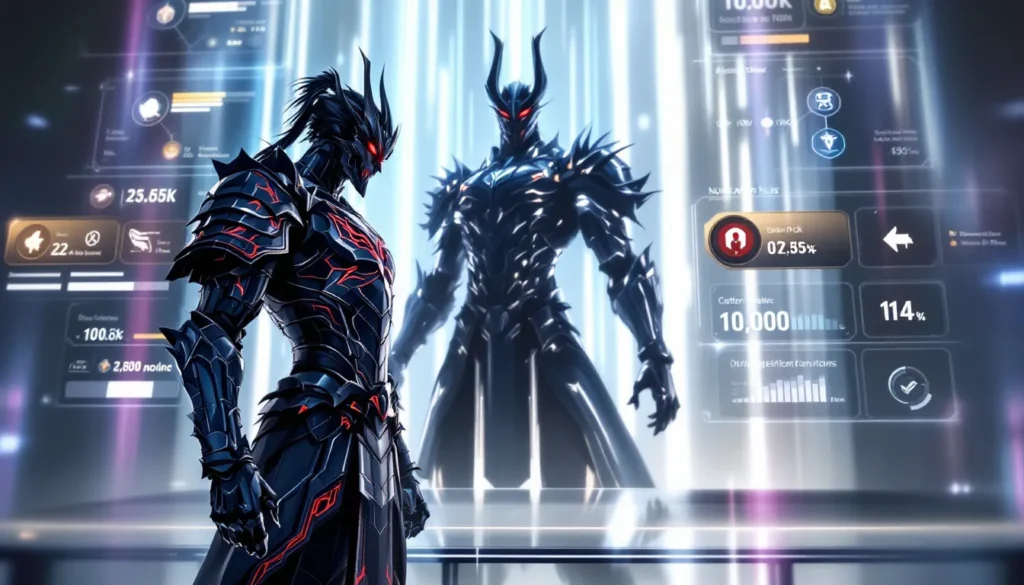
The Demon Armor (Jin’s black stealth suit) is arguably the most iconic reward. You can’t obtain it in a standard playthrough, only NG+ grants access. This legendary gear changes Jin’s appearance completely and represents his transformation into the Demon: it’s not just cosmetic, it’s thematic payoff. The armor comes with its own perks and represents your mastery of both honor and cunning.
Additional legendary armor sets and dyes unlock exclusively in NG+. Director’s Cut expanded these offerings significantly, including cosmetics from Ghost of Tsushima’s expanded universe. If you’re hunting for specific looks or want every outfit variant, NG+ is mandatory.
These aren’t stat-heavy upgrades that break the game: they’re prestige rewards proving you’ve completed Tsushima twice. For players chasing platinum trophies, these unlocks are trophies unto themselves, visible proof of commitment.
Lethal Mode And Additional Content
Once you’ve cleared NG+, Lethal Mode becomes available. This is the ultimate difficulty, permadeath for some challenge runs, extremely tight parry windows, and enemies that don’t forgive mistakes. Sucker Punch gates Lethal behind NG+ specifically to ensure players understand the game’s mechanics before attempting it.
Director’s Cut introduced Lethal+ and other variants, which layer additional restrictions. Some players argue that true Ghost of Tsushima mastery requires conquering Lethal with self-imposed restrictions, no healing items, no parry, stance-locked runs. NG+ is your stepping stone to that level of play.
The Ghost of Tsushima Archives on Questtiny contains detailed guides for farming NG+ efficiently and preparing for Lethal transitions.
Tips For Maximizing Your New Game Plus Experience
Strategic planning transforms NG+ from a second playthrough into a tailored experience.
Optimal Build Strategies And Loadouts
Your first playthrough taught you what works. NG+ is where you refine and experiment without learning costs. Prioritize unlocking stances you favored in your initial run, if you relied on Stone Stance for defense, grab it early. This lets you reconstruct your core playstyle quickly while facing tougher opposition.
Allocate skill points into synergistic ability chains rather than spreading thin. The Standoff duels reward specific builds: if you’re planning a parry-heavy playthrough, invest in Counter Attack and related abilities. If you’re going Ghost (stealth and ranged), prioritize Ghost Weapons and techniques that complement that playstyle.
Farm sword upgrades strategically. You don’t need every upgrade immediately, focus on increasing your primary sword’s damage tier first, then diversify. Some players deliberately delay certain upgrades to stretch out the progression curve and maintain challenge.
Charms are your build multipliers. As you acquire them, slot them into categories matching your strategy: defensive charms if you’re learning NG+’s patterns, offensive charms if you’re confident, or balanced setups if you want flexibility. The Black Dye Ghost of article covers cosmetic customization, but charm optimization is equally important for NG+ success.
Speedrun And Challenge Run Approaches
If you’re timing yourself or testing specific restrictions, NG+ is perfect. Speedrunners abuse NG+ mechanics by skipping optional content, routing encounters for minimal time, and using specific cheese strats that work within the ruleset. If that’s your goal, plan your path before starting.
Challenge runners use NG+ to test self-imposed rules: Lethal difficulty with no healing items, particular stance locks (only using Stone Stance), or ranged-only runs. These runs discover hidden depths in Ghost’s combat, suddenly you’re reading enemy patterns you’d ignored on your first playthrough.
Minimalist runs (no upgrades, no charms, base cosmetics) reveal how much skill matters versus gear. NG+ serves as the proving ground for these experiments. You’re not grinding toward arbitrary goals: you’re refining your mastery. Twinfinite’s guides frequently feature community challenge runs in detail if you want inspiration for creative playstyles.
New Game Plus Comparison With Ghost Of Tsushima Director’s Cut
Director’s Cut introduced significant changes to NG+ functionality and overall content. Understanding these differences matters if you’re deciding how to approach your playthrough.
The base game’s NG+ is functional and complete, you get challenge, cosmetics, and Lethal unlock. Director’s Cut expanded the offering substantially. Iki Island content, the game’s major expansion, exists separately from NG+ progression. You can experience Iki Island on your first playthrough or tackle it as part of NG+, and completing it grants additional exclusive cosmetics and armor sets.
Lethal Mode in Director’s Cut includes Lethal+ variants and additional difficulty modifiers. The base game’s Lethal is already punishing: Director’s Cut added layers for players who wanted even more restriction. This escalation means Director’s Cut players have a longer difficulty ladder to climb through NG+ progression.
Cosmic rewards differ significantly. Director’s Cut NG+ grants exclusive armor tied to Iki Island narrative and expanded loot pools. If you’re comparing the two versions, Director’s Cut’s NG+ is objectively richer in cosmetic content, though both versions’ core NG+ loop remains mechanically identical.
Performance and frame rate options in NG+ are Director’s Cut additions. The base game ran at 30fps or unlocked: Director’s Cut allows performance versus quality toggles, letting you prioritize smoothness or visual fidelity during challenging NG+ encounters. Some players argue that 60fps NG+ changes how the game feels, parry timing is slightly different at higher framerates, affecting difficulty perception.
If you’re choosing between versions, remember: base Ghost of Tsushima’s NG+ is entirely complete and satisfying. Director’s Cut’s additions are enhancements, not requirements. Both support platinum trophy hunting and challenge runs equally well. Push Square’s coverage of both versions provides detailed technical comparisons if you want specifics on performance differences during NG+ playthroughs.
Conclusion
Ghost of Tsushima’s New Game Plus isn’t padding, it’s a complete second game with meaningful changes, exclusive cosmetics, and a difficulty curve that respects player skill. By completing your first playthrough, you’ve unlocked access to fresh content immediately, and the entry point couldn’t be easier: just finish the story and select NG+ from the menu.
Your unlocked cosmetics and discovered techniques remain, but your power resets. This balance gives veterans the satisfaction of rapid rebuild while forcing tactical decision-making in every encounter. Whether you’re chasing platinum, testing challenge runs, or simply hungry for more Tsushima, NG+ delivers value.
The difficulty leap from hard to NG+ is real but fair. Enemies employ smarter tactics, parry windows tighten, and survival depends on understanding Jin’s full combat toolkit. You’ll unlock Lethal difficulty only after NG+ completion, gatekeeping the ultimate challenge behind proven competence.
Start your NG+ run with a clear goal: chase cosmetics, master Lethal, test challenge runs, or experience the story again with fresh perspective. NG+ supports all these playstyles equally. The Demon Armor waits, Lethal difficulty beckons, and Tsushima’s beauty hits differently on a second visit when you know what’s coming.