






Table of Contents
ToggleGhost of Tsushima is packed with hidden challenges and mysteries that reward curious players with powerful gear and unique unlockables. The Raider Memorial stands out as one of the game’s most intriguing discoveries, a location that blends environmental storytelling with genuine combat challenges. Whether you’re a completionist hunting down every item or a player looking to boost your loadout, understanding how to locate and conquer the Raider Memorial is essential. This guide breaks down everything you need to know: where to find it, how to unlock it, what rewards await, and the tactics that’ll help you claim victory without frustration.
Key Takeaways
- The Raider Memorial is a hidden optional location in Ghost of Tsushima that combines environmental puzzles, challenging combat encounters, and narrative depth, becoming available after completing 30-40% of Act I.
- Success at the Raider Memorial requires upgraded rare-tier armor, tactical awareness of enemy positioning, and mastery of parrying and combo execution in confined spaces.
- Completing the Raider Memorial rewards players with legendary equipment, upgrade materials, skill points, and exclusive cosmetics that accelerate character progression and provide exclusive bragging rights.
- The location thematically reinforces Ghost of Tsushima’s exploration of honor and legacy by commemorating fallen warriors, deepening emotional investment in the game’s narrative.
- Avoid rushing with low health, tunnel-visioning on single enemies, or neglecting the environment’s alcoves and platforms, as patient tactical gameplay consistently outperforms aggressive approaches.
What Is The Raider Memorial?
The Raider Memorial is a hidden location in Ghost of Tsushima that commemorates fallen raiders and serves as a challenging optional encounter. Unlike some of the game’s more straightforward collectibles, the Raider Memorial isn’t just a marker on your map, it’s an actual site with environmental puzzles, enemy encounters, and narrative weight tied to Ghost of Tsushima’s world-building.
This location functions as both a memorial space and a combat gauntlet. The game uses the Raider Memorial to explore themes of honor, legacy, and the cost of conflict, which aligns perfectly with the broader story themes. When you arrive, you’ll find yourself facing off against tough enemies in a confined space, which tests your combat skills more than a typical patrol or duel. The enemies here don’t pull punches, so preparation matters.
What makes the Raider Memorial especially worth your time is the loot. The rewards tied to this location include valuable equipment upgrades, cosmetics, and skill progression materials that accelerate your character development. For players pushing through New Game+, the challenge scales appropriately, making it relevant throughout your playthrough.
How To Unlock The Raider Memorial
Quest Requirements And Progression
The Raider Memorial doesn’t have a traditional quest marker or a single quest that gates access to it. Instead, the memorial becomes available once you’ve progressed past the early game and explored the world enough to trigger certain story flags. Specifically, you’ll need to complete enough of the main campaign, roughly 30-40% through Act I, before the location appears on your map or becomes accessible through exploration.
There’s no specific side quest prerequisite, but the game design suggests that engaging with the story and getting comfortable with Jin’s combat mechanics first will serve you well. The enemies at the Raider Memorial assume you’ve already mastered basic combat and have decent gear, so rushing there on a fresh playthrough will likely end in frustration.
Location And Map Placement
The Raider Memorial is located in Izuhara, typically in the southern portion of that region. On your map, it won’t have a special icon, you’ll need to either discover it through exploration or have it marked by NPCs during story sequences. Once unlocked, the location persists on your map, so you can fast travel back whenever you’re ready to attempt it again or farm rewards in subsequent playthroughs.
The memorial site itself is relatively isolated, tucked away from major roads. This fits the tone of the game, a quiet, solemn place for fallen warriors. Getting there requires traversing through lower-level enemy camps or navigating around them, so plan your route to avoid unnecessary fights if you’re already low on health or resources.
Step-By-Step Walkthrough For The Raider Memorial
Finding The Memorial Site
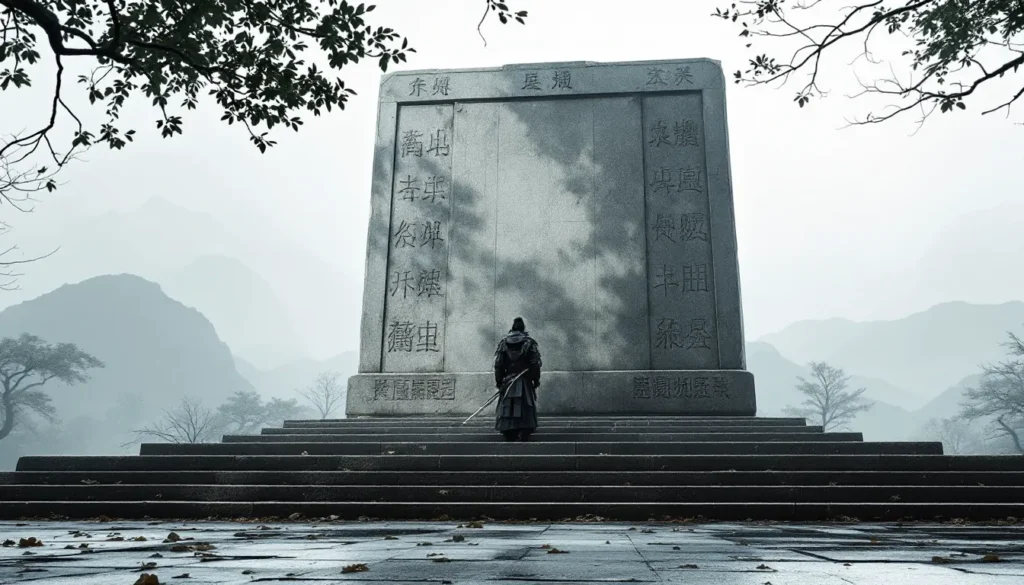
Once you’ve progressed far enough and the location appears on your map, head to the coordinates marked in Izuhara. You’ll spot the memorial from a distance, it’s a raised stone structure with distinctive architecture. As you approach, watch for roaming enemy patrols: the area around the memorial often has Mongol or raider forces posted nearby.
The best approach is to scout the perimeter first. Use the camera zoom or binoculars to identify enemy positions and spacing. This gives you options: you can either engage stealthily by isolating targets, or go in loud if you’re confident in your dueling abilities. The choice affects your resource usage and difficulty, so consider your current supplies (healing items, throwables) before committing.
Once you reach the memorial itself, a cutscene or narrative moment may trigger. The game uses this pause to establish context, why this place matters, who these fallen warriors were. Listen to the dialogue: it often hints at what’s coming next.
Solving Puzzles And Challenges
The Raider Memorial includes environmental puzzles that aren’t overly complex but do require observation. You’ll need to interact with specific objects, move items into place, or decipher patterns carved into the memorial structure itself. These puzzles reward exploration and careful inspection rather than frame-perfect input or obscure logic.
One common puzzle type involves aligning stones or symbols to match a pattern. Look for visual clues in the environment, engravings, torch placements, or standing stones that suggest a specific arrangement. Unlike some FromSoftware-style cryptic puzzles, Ghost of Tsushima’s environmental challenges are generally fair and solvable by attentive players.
Take your time here. There’s no timer, and rushing through a puzzle means missing the narrative or environmental storytelling that reinforces the location’s significance.
Defeating Enemies And Boss Encounters
After solving the environmental challenges, combat takes center stage. The Raider Memorial typically forces you into a confined arena with multiple waves of enemies. These aren’t minions, they’re skilled raiders or Mongol warriors with proper weapon loadouts and combat awareness.
Expect to face:
- Brutes with large health pools and heavy melee attacks
- Archers who punish lingering at range
- Swordsmen with decent parry timing and combo chains
Unlike open-field combat where you can reposition freely, the memorial’s tight space limits mobility. You’ll rely more on parrying, dodging at precise moments, and combo execution. Stagger your enemies when possible using Unblockable or Hachiman’s Punishment abilities. Don’t spam attacks, fight methodically, respecting their aggression windows.
Some encounters may include a tougher enemy or mini-boss with unique behavior patterns. Study their attack rhythm for a few seconds before committing to your offense. This patience often means the difference between a clean victory and a frustrating reset.
Rewards And Unlockables
Equipment And Loot
The Raider Memorial drops solid equipment upon completion. You’ll typically receive a legendary armor piece or weapon upgrade material that can be used to enhance your current loadout. The specific drops depend on your current gear level and which playthru you’re on. In New Game+, the rewards scale up in rarity and stat value.
Expect to find:
- Rare dyes for armor customization
- Upgrade materials (gold, supplies) for weapon enhancement
- Legendary crafting components used in high-tier gear assembly
These materials are currency in Ghost of Tsushima’s progression system. Gold, in particular, becomes a bottleneck when you’re pushing for the best armor sets, so each reward adds meaningful value.
Skill Points And Upgrade Materials
Completing the Raider Memorial grants Technique Points or Skill Unlock materials depending on your current progression. These feed directly into your skill tree, letting you unlock new combat abilities, dueling techniques, or stance improvements. On a first playthrough, this accelerates your character development noticeably.
The materials awarded are often Jin’s legendary weapons components or Ronin gauntlet upgrades. If you’re building toward a specific playstyle, say, a critical-hit focused samurai or a bow-centric archer, the materials from the memorial often align with those builds.
Unique Items And Cosmetics
Beyond practical rewards, the Raider Memorial sometimes unlocks cosmetic items: armor dyes, saddle ornaments, or even wind chime designs that personalize your experience. These don’t affect gameplay but reward completion with tangible bragging rights.
Rarer still, certain playthroughs or difficulty settings unlock exclusive armor skins tied to the memorial’s lore. These can’t be obtained elsewhere in the game, making them valuable for completionists.
Tips And Strategies For Success
Recommended Gear And Builds
Before attempting the Raider Memorial, ensure your armor is upgraded to at least rare tier. Common gear won’t cut it, you need the stat bonuses to tank hits and output damage efficiently. Pair armor with perks that boost your primary stat: if you’re running a melee-heavy build, prioritize armor with Melee Damage or Defense bonuses.
For weapons, bring a katana with high damage output and a secondary spear or nodachi for crowd control. The memorial’s tight quarters favor single-target focus, so avoid hybrid loadouts that split your effectiveness. Use Ghost of Tsushima Builds: Unlock Ultimate Playstyles for Epic Gameplay as a reference for optimized configurations.
Stock consumables before entering: health talismans, smoke bombs for repositioning, and throwing knives for quick enemy elimination. These turn desperate moments into victories.
Combat Tactics For Difficult Sections
Enter every encounter with a position advantage. Use terrain to funnel enemies into single-file engagements rather than fighting them all at once. When outnumbered, parry instead of dodge, each successful parry builds your combo meter, which unlocks powerful finishing moves.
Against archers, close distance aggressively using sprint and dodge weaving. Let them commit to an arrow before moving: arrows are slower than melee attacks, so you have time to sidestep. Once in melee range, they’re defenseless.
If you’re struggling with a particular wave, it’s not weakness, it’s info-gathering. Retreat to the memorial’s edge (out of enemy range), observe attack patterns, and develop a fresh strategy. The game respects tactical thinking, and patient players usually prevail.
Use Hachiman’s Punishment or other Resolve abilities liberally. These abilities turn fights, and holding them for a “perfect moment” is overthinking. Activate them when you’re cornered or facing a tough enemy’s aggression window.
Common Mistakes To Avoid
Don’t rush in with low health. If you’re below 50% HP before entering, heal or wait. The memorial’s enemies punish panic.
Don’t tunnel-vision on one enemy. Keep peripheral awareness of archers or flanking units. Rotate your camera regularly.
Don’t neglect parrying. New players often over-dodge because dodging feels safer. Parrying builds your combo meter faster and leaves enemies open longer. Practice the timing in easier encounters first.
Don’t ignore the environment. Some memorial designs include small alcoves or raised platforms. Use these for breathing room or to reset enemy aggression patterns.
Don’t underestimate smaller enemies. Minions with spears or quick swords can chain combos that devastate you. Respect all enemies equally, even if they look less threatening than a Brute.
Connection To The Main Story
The Raider Memorial ties into Ghost of Tsushima’s broader narrative about honor, legacy, and the cost of resistance. The fallen warriors memorialized here represent the ordinary soldiers caught in the Mongol invasion, not legendary samurai, but defenders who chose to fight even though impossible odds.
This thematic weight shapes how the game frames your progression. By engaging with optional content like the Raider Memorial, you’re not just farming stats, you’re honoring those who came before Jin. It’s world-building through gameplay, a signature approach of Ghost of Tsushima’s design philosophy.
The memorial also connects to character development arcs explored elsewhere. If you’ve encountered Ghost of Tsushima Endings:, you’ll recognize how the game wrestles with honor versus pragmatism. The Raider Memorial reinforces these tensions: standing at a monument to fallen soldiers while looting their memorial carries moral weight that the game doesn’t shy away from.
Players who engage deeply with narrative-rich optional content, like the memorial, shrine visits, and haiku writing, report stronger emotional investment in the story’s conclusion. The game rewards attention with payoff, making the Raider Memorial more than just loot: it’s part of understanding who Jin becomes.
Conclusion
The Raider Memorial in Ghost of Tsushima represents exactly what makes open-world games compelling: meaningful optional challenges that reward exploration and engagement. It’s not required to finish the campaign, but it accelerates your progression and deepens your understanding of the game’s world.
Success at the memorial depends on preparation, tactical awareness, and willingness to learn from failure. Bring appropriate gear, manage your stamina and Resolve abilities, and respect every enemy’s threat level. The rewards, legendary equipment, skill upgrades, and exclusive cosmetics, justify the effort.
More importantly, standing at the memorial itself and absorbing the environmental storytelling reminds you why Ghost of Tsushima resonates so strongly. The game crafts moments of quiet reflection between explosive combat sequences, and the memorial embodies that design philosophy perfectly.
For completionists, the memorial is non-negotiable. For players seeking a meaningful combat challenge outside the main campaign, it delivers. For those interested in exploring Ghost of Tsushima’s world exhaustively, resources like Ghost of Tsushima Archives and guides across GamesRadar+ offer deeper dives into every location and questline. Head to the memorial, earn your rewards, and let the game’s storytelling wash over you, that’s the full Ghost of Tsushima experience.