






Table of Contents
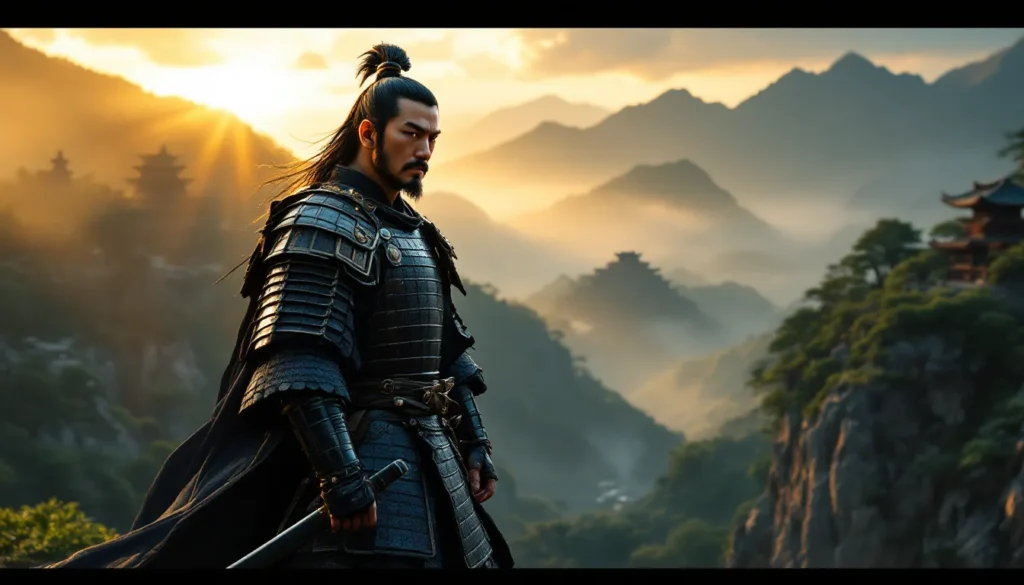
ToggleJin Sakai stands as one of gaming‘s most compelling protagonists, a samurai caught between tradition and necessity, honor and pragmatism. In Ghost of Tsushima, players don’t just follow his story: they live it, making choices that define the legend he becomes. Whether you’re diving in for the first time or returning to the island after finishing Director’s Cut, understanding Jin’s abilities, gear, and moral compass is key to truly mastering what makes this game unforgettable. From his katana techniques to his controversial use of “Ghost” tactics, Jin’s journey on Tsushima Island is about more than samurai combat, it’s about identity itself. This guide breaks down everything you need to know about ghost of tsushima jin Sakai: his origins, combat systems, progression mechanics, and how to optimize your playstyle across every mode.
Key Takeaways
- Ghost of Tsushima’s Jin Sakai evolves from an idealistic samurai to a pragmatic legend, driven by the moral conflict between honor and survival against the Mongol invasion.
- Master the four stance system—Stone for balance, Water for defense, Wind for aggression, and Moon for crowd control—to adapt to different enemy types and dominate combat encounters.
- The charm and armor progression system separates cosmetics from stats, allowing you to customize Jin’s appearance while optimizing your build for your preferred playstyle.
- In Legends cooperative mode and challenging Survivor difficulty, successful teams prioritize role diversity and coordination over individual skill, with build adaptation being key to victory.
- Jin’s journey in Ghost of Tsushima explores how ideals survive contact with reality, making the game resonate beyond typical samurai narratives through its nuanced treatment of compromise and sacrifice.
Who Is Jin Sakai? The Samurai’s Origin And Story
The Ghost’s Journey: Character Background
Jin Sakai is the protagonist of Sucker Punch Productions’ 2020 samurai epic, available on PlayStation 4, PlayStation 5, and later ported to PC. Born in the Tsushima Province, he’s the nephew of Lord Shimazu, inheriting both privilege and expectation. Before the Mongol invasion, Jin’s life follows the traditional samurai code, duty, honor, and unwavering loyalty to his clan. He’s trained in classical sword techniques and adheres to the bushido way, seeing combat as an art form governed by strict rules.
But, the man players encounter isn’t defined solely by his past. Jin carries scars both physical and psychological from previous conflicts, and these wounds inform his decisions throughout the game. His character arc isn’t about redemption exactly: it’s about compromise. The game doesn’t shy away from showing Jin as flawed, he’s proud, sometimes reckless, and resistant to the very unconventional tactics that become his trademark. This internal tension between the idealist samurai he was raised to be and the pragmatist he must become drives the narrative forward.
By the time players take control of him, Jin has already witnessed death on a massive scale. His introduction in the opening sequence shows him nearly overwhelmed by Mongol forces, and that opening defeat establishes the scope of the invasion. He’s not a warrior at his peak, he’s wounded, desperate, and forced to adapt.
The Mongol Invasion And Jin’s Role In The Resistance
The Mongol invasion of Tsushima in 1274 forms the historical backbone of the game, though Sucker Punch takes narrative liberties with the actual invasion. In the game’s version, Khotun Khan leads a devastating assault that decimates the samurai forces in a single, brutal opening engagement. Jin survives, but barely, and realizes that traditional samurai tactics, honorable duels and straightforward swordplay, cannot defeat an enemy with superior numbers and cavalry tactics.
This is where jin ghost of tsushima becomes more than a story about combat. Jin becomes a symbol of resistance, gathering other survivors and recruiting local allies to fight back. The title “The Ghost” isn’t immediate respect, it’s a name earned through fear and psychological warfare. Khotun Khan grows obsessed with defeating Jin, not just tactically but symbolically. Jin represents everything the Mongols cannot control: a samurai who refuses to surrender, who adapts, who survives.
Jin’s role in the resistance evolves across the game’s three acts. Early on, he’s focused on rescuing his uncle and stabilizing Tsushima’s defense. As the narrative progresses, Jin understands that victory requires becoming something his society deems dishonorable. He uses poison, deception, and assassination, the tools of ninjas, not samurai. This moral compromise is the heart of jin sakai ghost of tsushima. By the end game, players face the ultimate question: Has Jin saved Tsushima or destroyed what made it worth saving?
The invasion serves as more than backdrop: it’s a catalyst that forces every character, especially Jin, to confront their values. Throughout the campaign, players encounter historical figures like Lord Shimazu and meet allies like the wanderer Yuna, each contributing to Jin’s evolving understanding of what victory actually costs.
Jin’s Combat Abilities And Fighting Styles
Mastering The Katana: Sword Techniques And Combos
Jin’s sword work forms the foundation of Ghost of Tsushima combat. The katana feels weighty and deliberate, each swing has momentum, each parry requires timing. Unlike action games that reward button-mashing, Jin’s sword combat demands respect for positioning and rhythm. The basic combo flows naturally: light attacks chain into heavy attacks, with directional inputs adding variety. Light attacks are fast and safe, useful for staying mobile and building momentum. Heavy attacks, mapped to holding the strike button, deal more damage but leave Jin vulnerable if whiffed.
Dancing Wind, Heavenly Strike, and Rushing Water are foundational sword techniques learned early. Dancing Wind creates distance and hits multiple enemies, making it essential for crowd control. Heavenly Strike is a powerful overhead slam that breaks enemy guards, crucial against Mongol brutes with shields. Rushing Water offers a charging thrust that pierces through groups. These aren’t flashy: they’re practical, grounded in actual sword doctrine.
As Jin progresses, advanced techniques become available through the technique tree. Water Stance Combo is deceptively powerful against grouped enemies, flowing seamlessly from one target to another. Dragon Kick, yes, it’s exactly what it sounds like, launches lighter enemies and creates breathing room in hectic fights. The key to mastery is understanding that each technique fills a specific purpose. You won’t spam one combo: you’ll switch between them based on enemy positioning and threat levels.
Counter mechanics reward precision. Jin can parry incoming strikes if the timing is perfect, opening enemies up for a devastating follow-up. Deflecting a charged attack at the right moment creates an automatic opening. Learning enemy attack patterns, the subtle visual tells before a Mongol archer’s shot or a spear-wielder’s thrust, separates good players from great ones. There’s genuine satisfaction in reading an enemy’s intention and answering with a perfectly-timed parry into a flurry of strikes.
Combo variety extends through weapon options too. Jin can switch between katana, spear, and dual blades mid-combat, each with distinct movesets and speed profiles. The katana is balanced and reliable. The spear offers reach and crowd-control. Dual blades sacrifice defense for raw damage output. Experienced players chain them together, adapting their tool based on what enemy types they’re facing.
Stance System Explained: How To Switch And Dominate
The stance system is Ghost of Tsushima‘s signature mechanic and what separates adequate play from dominance. Jin operates in four distinct stances, each countering specific enemy types. Stance switching is free, players can change between them outside of combat or, once unlocked, during combat with a direction on the D-pad.
Stone Stance is the default, balanced approach. It’s effective against swordsmen and provides steady, reliable damage. New players default here, and there’s nothing wrong with that. Stone’s counter is fast, its range is standard, and its combos flow naturally.
Water Stance trades attack speed for defense. The stance consumes more stamina but provides superior parry windows against fast attackers. If you’re facing a group of Mongol swordsmen with fast attack chains, Water Stance keeps you alive. It’s also optimal against dual-wielding enemies.
Wind Stance is pure aggression. Attacks are faster but leave Jin more vulnerable between swings. Against heavily armored brutes or enemies with shields, Wind Stance lets you whittle them down with rapid hits before they can respond. It’s less forgiving if you mess up timing, but the damage output justifies the risk.
Moon Stance appears later and specializes in crowd control. Its techniques hit multiple enemies and often finish with knockback or crowd-clearing effects. Against massed Mongol soldiers, Moon Stance turns Jin into a tornado of steel.
The strategic depth comes from matching stance to enemy composition. That patrol ahead has two shield-wielders and three swordsmen? Stone or Wind, depending on your playstyle. A lone Mongol champion? Moon Stance with multi-hit combos wears them down. Experienced players flow between stances mid-combo, exploiting each enemy’s weakness before pivoting to the next.
Advanced players memorize the rhythm of each stance. Every move has unique timing. Stone’s combos are straightforward: Water feels slower and more methodical: Wind is frantic and requires constant attention. Moon’s flow is almost hypnotic. Mastery isn’t about knowing them intellectually, it’s about internalizing the feel until stance-switching becomes second nature.
Ranged Weapons And Special Abilities
While the katana defines Jin’s playstyle, ranged weapons add versatility. The longbow is primary, useful for eliminating scouts before they raise alarms or softening groups before melee engagement. Arrows are limited, forcing players to choose targets carefully. Explosive arrows unlock later, turning single arrows into area denial. Fire arrows create zones enemies avoid. Precision feels good, drawing the bow, hearing the string tension, watching an arrow find its mark provides genuine feedback.
Blowguns offer silent eliminations against lone enemies. Poison darts stun or damage, and half-health poison darts can turn a dangerous encounter into an advantage. The blowgun’s primary use is stealth, though it’s slower than the bow and less suitable for active combat.
Special abilities complement weapon play. Ghost Stance is Jin’s signature move, a supernatural form he enters after building resolve (a resource that fills through combat). In Ghost Stance, Jin becomes invulnerable, moves faster, and auto-targets nearby enemies for instant kills. It’s powerful but limited, use it wisely for tough encounters or waves of enemies. Building resolve requires successful hits and parries, rewarding aggressive, skilled play.
Other abilities like Kunai throws and stink bombs create crowd control and tactical options. Kunai damages multiple targets: stink bombs disorient groups. These fit the “Ghost” playstyle, unconventional tactics that honor-bound samurai would never use but that prove devastatingly effective. Mixing these ghost tactics with traditional sword combat defines Jin’s evolution throughout the story.
Gear And Equipment: Building The Ultimate Jin
Armor Sets And Cosmetic Customization
Ghost of Tsushima offers extensive customization, allowing players to build Jin’s appearance while optimizing defense. Armor sets in the base game provide stat bonuses tied to playstyle. The Samurai Clan armor is iconic and provides balanced defense. Ghost Armor, unlocked late-game, boosts ghost stance damage and resolve gain, aligning with unconventional tactics. The Ronin Armor increases damage against larger enemies. Traveler’s Attire offers no stat bonuses but looks phenomenal.
Director’s Cut added significant depth with the introduction of charms, which provide stat boosts without affecting appearance. This separation between cosmetics and stats lets players wear what looks cool while optimizing for their build. Want to look like a humble farmer while dealing massive damage? Go for it.
Color customization matters too. Jin’s armor can be dyed various colors, red for aggression, black for the Ghost aesthetic, white or gray for traditional samurai look. These are purely cosmetic, but on Tsushima’s stunning vistas, appearance feels important. Director’s Cut added the Legends mode cosmetics, allowing legendary armor appearances even in the main campaign.
The key insight: Don’t feel locked into meta builds based on appearance. A player’s comfort and enjoyment matter more than min-maxing stats. If you love how the Ronin outfit looks, wear it. Your playstyle will adapt. That said, understanding what each armor set does helps you make informed choices about which look-alikes to prioritize early on.
Charms And Talismans For Combat Enhancement
Charms are small items that provide targeted bonuses, increased parry effectiveness, faster resolve gain, bonus damage against specific enemy types, or defensive boosts. Unlike armor, charms don’t replace Jin’s look: they’re passive bonuses that stack. With four charm slots available (unlocked through progression), players choose a loadout that complements their playstyle.
Combat-focused charm builds might include: a charm boosting resolve gain, another increasing critical damage, a third providing parry window extension, and a fourth offering poison damage resistance. This creates a playstyle centered on aggressive parry-based combat and frequently accessing Ghost Stance.
Defensive builds lean on charms reducing incoming damage, healing on parry, or increased max health. These are valuable for players less comfortable with timing-based parries.
Utility builds emphasize special ability effectiveness, increased arrow capacity, or reduced assassination range requirements. Some players prefer solving encounters through stealth and ranged weapons rather than melee: charms support that.
Progression reveals new charms through combat, exploration, and story completion. Early-game charm selection feels limited, you’ll use what drops, but by mid-game, you’re making genuine build choices. The system encourages experimentation. Try a resolution-focused build for one act, then switch to damage-stacking for another. Nothing’s permanent, so playing with loadouts is encouraged.
One crucial tip: Pay attention to what the game’s giving you. If you’re consistently finding charms that boost wind stance effectiveness, maybe lean into that playstyle. The game’s loot design isn’t random: it guides you toward functional builds. Trust that guidance while maintaining flexibility.
Progression And Skill Trees: Upgrading Your Abilities
Technique Trees And Unlocking New Moves
Jin’s progression splits between technique points, earned through combat and story completion, and other resources like predator hides and supplies. Technique points unlock new abilities, these are your primary upgrade currency. The skill tree’s organized logically: katana techniques branch from sword combat, Ghost Stance abilities cluster together, and special moves like assassination techniques have dedicated sections.
Early-game priorities should include: Heavenly Strike (breaks shields), Dancing Wind (crowd control), and your preferred stance-specific combo. These foundational techniques solve most encounters. Don’t spread points too thin early on. A few fully-developed abilities matter more than six half-upgraded ones.
Mid-game unlocks expand your toolkit dramatically. Water Stance Combo becomes available, offering superior defense in grouped combat. Assassinate and Advanced Assassinate let you instantly kill unaware enemies, invaluable for stealth sections. Resolve abilities like Heal consume resolve but restore health, creating risk-reward decision-making in tough fights.
Late-game techniques are specialized. Heavenly Strike upgrades become available. Moon Stance unlocks with its own combo tree. These late-tier abilities feel rewarding because they’re earned, not given. By the final acts, you’re operating at full capacity, with multiple viable approaches to every encounter.
The smartest progression strategy: Read ability descriptions carefully. Understand what each technique does before spending points. Some abilities combo better than others: some are situation-specific. Standoff and Standoff Streaks, for example, let you instantly draw your sword and counter-attack a group of enemies in a dramatic duel. It’s powerful against grouped foes but useless against single opponents.
Experimentation is key. Try different paths. If you’ve been a parry-focused player, try some crowd-control techniques. The game respects respec, you can reallocate points if a build isn’t working. Use that flexibility to find what clicks.
Resource Management And Efficient Leveling
Resources in Ghost of Tsushima include supplies (for healing and bomb crafting), predator hides (for equipment upgrades), and artifacts (for charm unlocking and upgrades). Unlike traditional RPGs with XP meters, progression is more discrete, complete an objective, earn a resource drop, spend it on an upgrade.
Supplies are abundant if you loot consistently. Every defeated enemy drops some supplies: every house you investigate offers more. Stockpile early because mid-game difficulty spikes might require consumable healing. Note that Jin can only carry a limited amount, upgrade your carry capacity at certain points to match your playstyle. Aggressive players might drop healing supplies in favor of bombs: defensive players do the opposite.
Predator hides are rarer. They’re earned by hunting wildlife, deer, bears, and boars scattered across Tsushima. Each animal requires specific weapons or tactics. Deer flee at first sight: bears are aggressive: boars charge. Farming hides is optional but recommended. Each armor upgrade requires hides, so early hunting (Act 1) saves grinding later.
Levelingup technically happens automatically as you progress the story, Jin doesn’t have traditional levels, but his effective power does increase through technique unlocks and gear improvements. The trick to efficient progression: Don’t hoard resources. Use them. Upgrading your armor earlier means benefiting from the defense boost for more content. Unlocking a technique immediately lets you practice it against relevant enemies. Hoarding for a “perfect moment” to spend everything is counterproductive.
One meta consideration: By endgame, resources become abundant. Don’t stress early optimization. Play naturally, upgrade what feels useful, and by Act 3, you’ll have plenty of everything. The game’s pacing accounts for this, difficulty scaling matches typical progression curves.
The Ghost vs. The Samurai: Jin’s Moral Conflict
The entire narrative of Ghost of Tsushima orbits a central moral question: How far is Jin willing to compromise his principles for victory? This isn’t a simple good-versus-evil choice. It’s nuanced and personal.
Early in the game, Jin adheres strictly to samurai code. When Khotun Khan demands he surrender, Jin refuses. He’ll face any challenge head-on, blade against blade. This idealism is admirable but naive. The Mongols don’t fight honorably. They use tactics, numbers, arrows, strategic positioning, to overcome individual skill. As Jin realizes that traditional samurai approaches fail against modern invasion tactics, he begins adopting unconventional methods.
The turning point comes when Jin embraces being “The Ghost,” using poison, deception, and assassination. These tactics are effective. Entire enemy camps can be undermined through careful poisoning and silent kills rather than honorable duels. Jin becomes a legend among Tsushima’s people, but he loses the respect of figures like his uncle, who sees these methods as dishonorable.
This conflict isn’t resolved neatly. The game presents both perspectives sympathetically. Lord Shimazu’s insistence on honor has weight, samurai tradition existed for reasons, and abandoning it completely risks losing cultural identity. But Jin’s pragmatism saves lives. More soldiers survive, more civilians are protected, more of Tsushima remains unconquered. The question “What’s worth more, honor or survival?” has no objectively correct answer.
Players experience this through mechanics and narrative. Using Ghost tactics feels wrong, stealthy, dishonorable, effective. The game never punishes you mechanically for being honorable, but you see the human cost. Standoffs let you face enemies directly, earning story respect, but they’re riskier than poison arrows. The game trusts players to weigh these choices.
By the final act, Jin has fundamentally changed. He’s become the Ghost, a legend whispered about in fear, respected but not trusted by his own people. The ending acknowledges this. No matter what choices you made, Jin has become something other than a simple samurai. He’s evolved, compromised, and survived, but at a cost to his identity.
This moral complexity is why jin sakai ghost of tsushima resonates beyond typical samurai games. It’s not celebrating honor or victory alone. It’s exploring how ideals survive contact with reality, and what individuals sacrifice when those ideals prove insufficient. Players who connect with Jin do so because they understand the weight of compromise, doing what’s necessary versus what’s right, and accepting that sometimes those aren’t the same thing.
Mastering Jin In Legends Mode And Multiplayer
Cooperative Gameplay Strategies
Ghost of Tsushima: Legends launched as free DLC, introducing cooperative multiplayer that fundamentally extends the game’s life. Legends is separate from the story, four players can cooperatively tackle mythical-difficulty encounters in diverse modes. The game shifts from story-driven challenge to pure combat and teamwork testing.
In Legends, Jin’s mechanics remain familiar but encounter new wrinkles. Enemy density increases dramatically. What felt like a tough encounter in campaign feels routine with four skilled players. Coordination becomes essential. One player can’t solo-heal the group: someone needs to spec defensively and keep teammates alive.
Build diversity matters in Legends. A team of four pure-damage players struggles against elite enemies. A balanced squad, one damage-focused samurai, one defensive healer, one utility player using crowd control, and one specialized against specific enemy types, flows better. The charm system’s flexibility shines here. Switch your loadout between matchups instead of playing the same build every run.
Communication, even non-verbal, elevates Legends play. Good teams develop rhythm: one player draws enemy attention while others position for crowd control abilities. Knowing when to retreat, when to press forward, when to group up for healing, these decisions separate competent squads from dominant ones. Voice chat isn’t required: pinging threats and signaling intent works, though voice coordination speeds things up significantly.
Specific tactics: Support builds using Healing or similar abilities let damage-focused teammates stay aggressive. AOE crowd control breaks enemy formations, use it when the other team’s grouped up. Kiting, maintaining distance while dealing damage, works better in Legends than campaign because enemies can overwhelm you quickly. Don’t hug the group constantly, but don’t wander too far either.
A solid early-game Legends strategy: Pick a role that complements your team. If three players are already going aggressive, be the defensive anchor. Your role isn’t to out-damage them: it’s to keep them alive so they can do their job. Successful Legends teams recognize that there’s no true “carry”, four competent players beat four elite ones when the competent team works together.
Survivor Mode Tips And Tactics
Survivor Mode is Legends’ harder variant, featuring elite enemy compositions and stricter mechanics. Unlike standard Legends where failure means restart, Survivor has lives, your team gets limited revives before it’s game over. This changes mentality dramatically. Reckless aggression gets punished. Careful plays rewarded.
Survivor rotates specific challenge modifiers each week. One week might feature enemies with damage buffs: another adds environmental hazards or stat debuffs to players. Reading these modifiers and adapting builds accordingly separates survivors from casualties. A damage-focused build might struggle against heavily-armored enemies: switch to a setup exploiting their weakness.
Positioning becomes critical. In standard Legends, mistakes are recoverable. In Survivor, one bad position against an elite samurai can end a run. Fight in tighter clusters, use environmental cover, and never let enemies split your team. When separated, regroup immediately, picked-off players are dead players.
Resource management shifts too. Healing supplies are limited. Don’t waste healing on minor chip damage: save it for critical moments. Some players take healing-focused builds specifically for Survivor, becoming mobile medics who heal teammates between encounters. Others run pure damage and trust teammates to manage sustain. Both work if executed properly.
A critical Survivor tip: Know the enemy rotation. Upcoming weeks feature different modifiers. Log in early in the week, note what the modifier is, and practice specific builds against it. Rushing into Survivor unprepared against an unknown modifier is a quick way to wipe. Building a Survivor squad from trusted players, people you’ve run Legends with, dramatically increases success rates. Everyone understanding each other’s playstyle and positioning minimizes coordination mistakes.
Legends’ skill ceiling is genuinely high. New players can jump in and have fun, but mastering Survivor requires studying enemy patterns, understanding build synergies, and practicing mechanical precision. That depth keeps the mode fresh long after campaign completion.
Conclusion
Mastering Jin Sakai means understanding that Ghost of Tsushima isn’t one game, it’s multiple experiences layered together. There’s the narrative-driven campaign exploring Jin’s moral evolution. There’s the combat system rewarding both mechanical skill and tactical awareness. There’s the progression loop providing genuine character growth. And there’s Legends, extending the core experience into pure cooperative challenge.
Jin’s journey from idealistic samurai to pragmatic legend resonates because the game respects players’ agency in that transformation. You’re not watching a cutscene: you’re making the choices, pressing the buttons, experiencing the consequences. Whether you embrace the Ghost tactics or stubbornly cling to honorable duels, the game acknowledges your path and weaves it into the narrative.
For newcomers starting their first playthrough, focus on mastering one stance and a few core techniques before expanding your toolkit. Learn parry timing against early enemies, that skill carries through the entire game. Experiment with different approaches: the beauty of Ghost of Tsushima is that multiple viable playstyles exist.
For returning players jumping into Legends or pursuing Survivor mode mastery, remember that teamwork transcends individual skill. A well-coordinated squad of competent players outperforms a group of mechanically brilliant individuals who can’t coordinate. Build diversity matters. Adaptability wins runs.
Eventually, Jin Sakai’s story is about compromise and evolution, themes that extend from his narrative arc through gameplay mechanics and multiplayer design. The samurai who arrives on Tsushima isn’t the legend who departs. Whether that transformation elevates or diminishes him is deliberately left to interpretation. That ambiguity, that respect for player perspective, is what transforms Ghost of Tsushima from a good game into a legendary one. Embrace that complexity, master the mechanics, and discover who Jin becomes in your hands.